Finding the right car insurance can feel confusing. Many drivers search for car insurance near me when they need quick and reliable coverage. Local options can make the process easier. You can compare providers, ask questions, and understand your policy before buying. However, the cheapest policy is not always the best choice. Good insurance should protect you when something unexpected happens. It should also fit your budget and driving needs. This guide explains how to compare local insurance companies and find useful coverage. You will learn about prices, deductibles, coverage types, discounts, and important policy details. We will also explain what to check before signing anything. With the right approach, you can make a smarter choice without feeling pressured.
What Does Car Insurance Near Me Mean?
The phrase car insurance near me usually means insurance options available in your local area. These may include national insurance companies, regional providers, independent agents, and online insurers. Local availability can affect prices, services, and policy choices. Some drivers prefer a nearby agent because they can speak with someone directly. Others prefer online services because they are faster and more convenient. Your location can also affect your insurance premium. Insurers may consider traffic levels, accident rates, weather risks, theft rates, and local laws. This is why two drivers can receive different quotes. When searching for coverage, do not choose a company only because it appears first online. Check its reputation, policy options, claims service, and customer support. A little research can help you avoid problems later.
Why Local Car Insurance Options Can Help
Local insurance providers can offer useful advantages. A nearby agent may understand common driving conditions in your area. They can also explain coverage in simple language. This can be helpful if you have never purchased insurance before. Some independent agents work with several insurance companies. This gives you more choices during the comparison process. You may also get help when changing vehicles or updating your policy. However, local does not automatically mean better. Online insurers can also provide strong coverage and useful customer service. The important thing is comparing the complete policy. Look beyond the monthly payment. Check the coverage limits, deductible, exclusions, claims process, and available discounts. A good policy should provide reasonable protection without creating unnecessary costs.
How to Compare Car Insurance Quotes
Comparing quotes is one of the best ways to find suitable coverage. Start by collecting quotes from several insurance providers. Give each company the same driver and vehicle information. This makes the comparison more useful. Check liability limits first because these protect you when you cause damage or injury. Then review collision and comprehensive coverage if you need them. Look at the deductible for each policy. A lower deductible can increase your premium. A higher deductible may reduce your monthly cost. However, you must be able to afford that deductible after an accident. Also compare roadside assistance, rental car coverage, and other optional features. Do not focus only on the lowest quote. A slightly higher price may provide much better protection. The goal is to find strong value, not simply the smallest bill.
What Affects Your Car Insurance Premium?
Insurance companies use several factors when calculating premiums. Your driving history can have a major effect. Drivers with accidents or traffic violations may pay more. Your age and experience can also affect pricing. The vehicle itself matters as well. Expensive vehicles can cost more to repair or replace. Some cars may also have higher theft rates. Your location can influence premiums because risk differs between areas. Your annual mileage may matter too. Someone who drives fewer miles may have different risk than a daily commuter. Credit-based insurance factors may also affect pricing in some locations. Rules vary by state and insurance market. Because pricing factors differ, getting several quotes is useful. Never assume one company will always offer the lowest price. Insurance rates can change when your circumstances change.
Understanding Liability Insurance
Liability insurance is a key part of most auto insurance policies. It generally helps cover damage or injuries you cause to another person. Liability coverage often includes bodily injury and property damage protection. The exact requirements depend on your location. Minimum legal coverage may not provide enough protection in a serious accident. For example, medical costs can become very high after a major crash. Property damage can also exceed basic limits. Choosing higher liability limits may provide stronger financial protection. You should understand your local requirements before selecting a policy. An insurance agent can explain the limits and options available to you. Think about your personal financial situation when choosing coverage. Saving a small amount today may not be worth taking a large financial risk later.
Collision and Comprehensive Coverage Explained
Collision coverage helps protect your vehicle after certain crashes. This can include accidents involving another vehicle or an object. Comprehensive coverage generally protects against other covered events. These may include theft, vandalism, falling objects, storms, or animal damage. Both coverages usually have deductibles. For example, suppose your repair bill is $3,000. If your deductible is $500, the covered amount may be reduced by that deductible. Your policy terms determine the actual payment. Collision and comprehensive coverage can be especially useful for newer vehicles. They may also be required by a lender when you finance a car. Older vehicles may not always justify the cost. Compare your vehicle’s value with the annual insurance cost. This can help you decide whether optional coverage makes financial sense.
How to Find Affordable Car Insurance Near Me
If you want affordable car insurance near me, start by comparing multiple providers. Ask about every discount that may apply to you. Some insurers offer discounts for safe driving, multiple vehicles, bundled policies, or certain safety features. Maintaining a clean driving record can also help over time. You may also review your deductible. Increasing it can sometimes reduce your premium. However, never choose a deductible you cannot comfortably pay. Removing useful coverage just to save money can create bigger problems. Review your policy at least once a year. Your needs may change after buying a new vehicle, moving, or changing your driving habits. Ask your insurer whether your current discounts still apply. A short policy review can sometimes uncover savings without reducing important protection.
Should You Use an Insurance Agent?
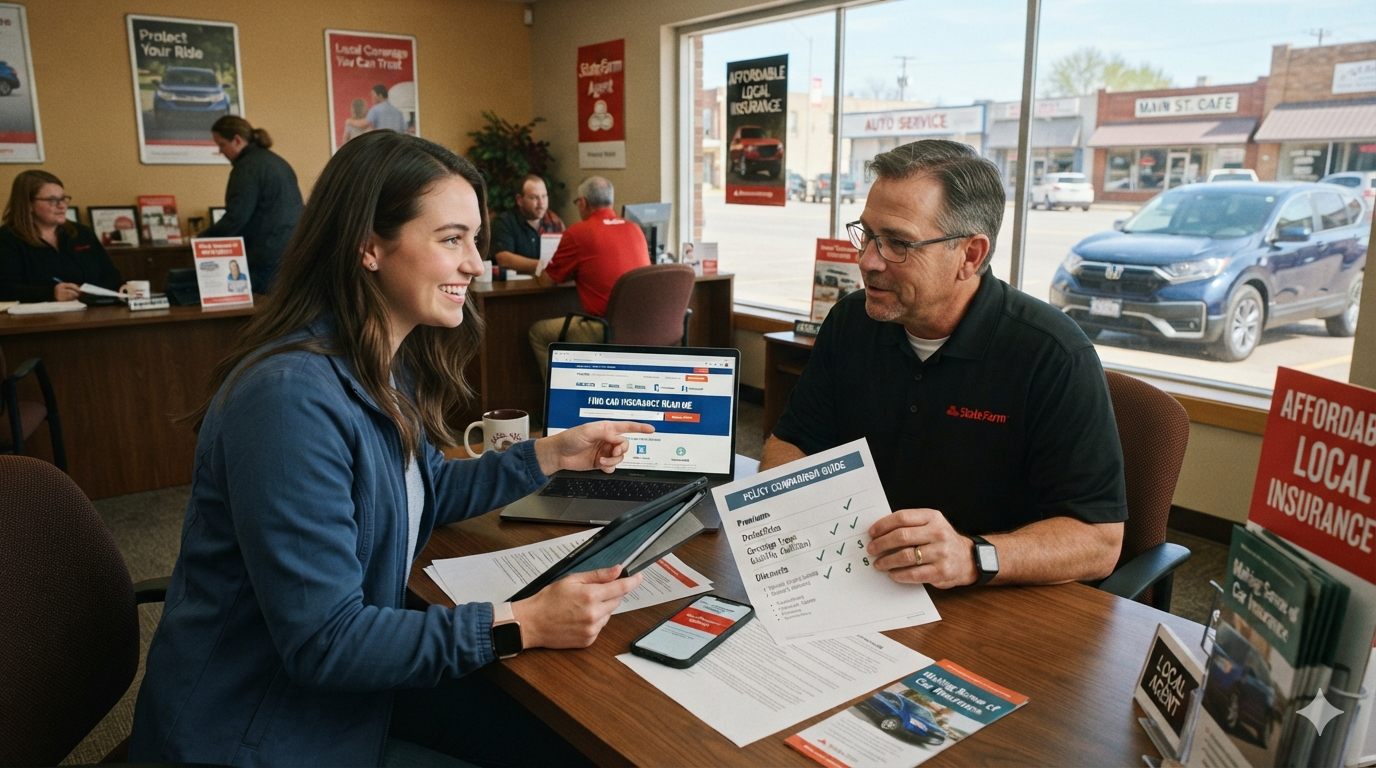
An insurance agent can make the buying process easier. Agents can explain complicated policy terms and coverage limits. They may also help you compare available options. Independent agents can sometimes provide quotes from multiple companies. Captive agents generally represent one insurance company. Both types can be useful depending on your needs. Before working with an agent, ask how they are compensated. Also ask which insurers they represent. This helps you understand your available choices. Do not feel pressured to buy immediately. A trustworthy professional should give you time to review the policy. They should also answer questions clearly. If an agent avoids explaining important details, consider another option. Good service matters because insurance is a long-term financial decision.
What Information Do You Need for a Quote?
Getting an insurance quote usually requires basic information. You may need your driver’s license details and vehicle information. The insurer may ask about your driving history and previous insurance. You may also need your vehicle identification number. Your address and estimated annual mileage can affect the quote. If another person regularly drives your car, their information may also be required. Give accurate information when requesting quotes. Incorrect details can cause problems later. For example, hiding a regular driver could create complications during a claim. Ask the insurer whether the quote is an estimate or a final premium. Prices can sometimes change after additional information is reviewed. Keep copies of your quotes and policy documents. This makes future comparisons much easier.
Common Mistakes When Buying Auto Insurance
One common mistake is choosing insurance based only on price. Cheap coverage may have low limits or fewer benefits. Another mistake is selecting a deductible without considering your emergency savings. Some drivers also forget to compare exclusions. Exclusions explain situations that the policy does not cover. Another mistake is failing to update your policy after major changes. Moving, buying another car, or changing drivers can affect coverage. Some people also ignore customer service until they need to file a claim. Claims support is an important part of insurance. Read reviews carefully, but remember that individual experiences can vary. You should also verify the insurer’s licensing and financial information where applicable. Taking these steps can help you choose coverage with greater confidence.
How Often Should You Compare Insurance?
You do not need to change insurance companies every year. However, reviewing your policy regularly is smart. Prices can change even when your driving record stays clean. Your vehicle value may also decrease over time. You may qualify for new discounts as your circumstances change. Life changes can also affect your coverage needs. For example, you might move to another area or buy a different vehicle. Requesting new quotes can show whether your current premium remains competitive. When comparing policies, make sure coverage limits are similar. A lower quote may simply offer less protection. If your current company provides good service, ask whether it can offer a better rate. Sometimes a simple conversation can lead to savings.
Questions to Ask Before Buying a Policy
Before choosing an insurer, prepare a few simple questions. Ask what the policy covers and what it excludes. Ask about liability limits and deductible amounts. Find out whether roadside assistance is included. If you have a newer vehicle, ask about rental car coverage after a covered accident. You should also ask how claims are reported. Find out whether claims can be filed online or through a phone service. Ask about payment options and cancellation rules. If you receive a discount, confirm how long it lasts. You can also ask whether your premium may change at renewal. Clear answers can help you understand the real value of the policy. Never hesitate to ask for an explanation of unfamiliar terms.
Complete Car Insurance Comparison Table
| Insurance Factor | What It Means | Why It Matters | What to Check |
|---|---|---|---|
| Liability Coverage | Pays for covered damage or injuries you cause | Protects your finances | Coverage limits |
| Collision Coverage | Helps cover damage from covered crashes | Protects your vehicle | Deductible and exclusions |
| Comprehensive Coverage | Covers certain non-crash events | Helps protect against theft and weather | Covered events |
| Deductible | Amount you pay before covered insurance payments | Affects your out-of-pocket cost | Choose an affordable amount |
| Premium | Price you pay for insurance | Determines your regular cost | Monthly or annual price |
| Discounts | Available savings on your policy | Can reduce your premium | Ask about every discount |
| Roadside Assistance | Help with certain roadside problems | Useful during emergencies | Service limits |
| Rental Coverage | May help with a rental vehicle after covered damage | Keeps you mobile | Daily and total limits |
| Claims Service | Process used after an accident | Affects your experience during a stressful event | Reviews and process |
| Liability Limits | Maximum amounts covered under liability protection | Helps manage major financial risks | Consider higher limits |
| Policy Exclusions | Situations not covered by the policy | Prevents unexpected surprises | Read exclusions carefully |
| Local Agent | Insurance professional in your area | Provides personal assistance | Experience and reputation |
| Online Service | Digital policy and claims management | Offers speed and convenience | Website and app features |
| Renewal Terms | Conditions that apply when your policy renews | Rates may change | Review renewal documents |
| Vehicle Value | Current worth of your car | Helps evaluate optional coverage | Compare value and costs |
Is the Cheapest Insurance Always Best?
The cheapest policy is not always the smartest choice. Price matters, especially when managing a tight budget. However, insurance exists to protect you from larger financial losses. A policy with very low limits may leave you exposed after a serious accident. A cheaper policy may also have fewer optional benefits. Instead of searching only for the lowest premium, look for good overall value. Compare coverage limits, deductibles, exclusions, claims service, and customer support. Think about what would happen if you had an accident tomorrow. Could you afford the remaining costs yourself? If the answer is no, stronger coverage may be worth the additional premium. The right balance depends on your vehicle, budget, driving habits, and financial situation. Good insurance should provide protection without becoming unnecessarily expensive.
Tips for Choosing a Reliable Insurance Provider
Reliability should be an important part of your decision. Start by checking whether the insurer is properly licensed where required. Research its reputation and claims experience. Look for clear policy information and accessible customer service. You should also check how easy it is to contact the company. A provider with several communication options can be more convenient. Ask friends or family about their experiences, but do your own research too. Online reviews can provide useful clues, but they should not be your only source. Look for patterns instead of focusing on one complaint. A trustworthy insurance company should explain its terms clearly. It should not make unrealistic promises about coverage or pricing. Taking time to research providers can help you avoid unpleasant surprises later.
Final Thoughts on Car Insurance Near Me
Searching for car insurance near me is only the first step. The real goal is finding coverage that fits your needs and budget. Compare several quotes before making a decision. Look carefully at liability limits, deductibles, exclusions, and optional coverage. Do not choose a policy based only on its monthly price. Consider customer service and claims support as well. Local agents can provide personal guidance, while online insurers may offer convenience. Both options can work well when the policy provides proper protection. Review your insurance regularly and ask about new discounts. Your needs can change as your vehicle, location, and driving habits change. A few minutes of research can make a major difference. Choose coverage with confidence rather than rushing into the first offer you receive.
Frequently Asked Questions
1. How do I find car insurance near me?
Start by searching for licensed insurance providers in your area. Compare several quotes using the same coverage limits. Check deductibles, exclusions, discounts, and customer service. You can contact local agents or request quotes online. Comparing multiple options gives you a better idea of available prices and coverage.
2. What is the cheapest way to get auto insurance?
There is no single cheapest option for every driver. Insurance prices depend on many factors. Compare multiple providers and ask about available discounts. You can also review your deductible and optional coverage. However, do not remove important protection simply to lower your premium.
3. Should I choose a local insurance agent?
A local agent can be useful if you prefer personal service. They can explain policy terms and answer questions. Independent agents may also represent multiple insurers. However, online insurance companies can provide convenient service too. Compare both options before deciding.
4. What deductible should I choose?
Choose a deductible that you could comfortably pay after an accident. A higher deductible may lower your premium. However, it also increases your immediate cost after a covered claim. Your emergency savings should be considered when making this decision.
5. Does my location affect car insurance prices?
Yes, location can affect insurance pricing. Insurers may consider local traffic, accident rates, theft, weather, and other risks. Insurance rules also vary between locations. This is one reason why quotes can differ between drivers in different areas.
6. How can I lower my car insurance premium?
Compare several providers and ask about available discounts. Maintain a clean driving record when possible. Review your coverage regularly and choose a reasonable deductible. You should also make sure your insurer has accurate information about your vehicle and driving habits.
About the Author